Monday, December 25, 2017

LETTER OF CREDIET

Letter of credit

From Wikipedia, the free encyclopedia
After a contract is concluded between a buyer and a seller, the buyer's bank supplies a letter of credit to the seller.
Seller consigns the goods to a carrier in exchange for a bill of lading.
Seller provides the bill of lading to bank in exchange for payment. Seller's bank then provides the bill to buyer's bank, who provides the bill to buyer.
Buyer provides the bill of lading to carrier and takes delivery of the goods.
In modern business practice, a letter of credit (LC) also known as a Documentary Credit, is a written commitment by a bank issued after a request by an importer(foreign buyer) that payment will be made to the beneficiary (exporter) provided that the terms and conditions stated in the LC been met, as evidenced by the presentation of specified documents.[1]
A letter of credit is a method of payment that is an important part of international trade. They are particularly useful where the buyer and seller may not know each other personally and are separated by distance, differing laws in each country and different trading customs.[2] It is generally considered that Letters of Credit offer a good balance of security between the buyer and the seller, because both the buyer and seller rely upon the security of banks and the banking system to ensure that payment is received and goods are provided.[3] In a Letter of Credit transaction the goods are consigned to the order of the issuing bank, meaning that the bank will not release control of the goods until the buyer has either paid or undertaken to pay the bank for the documents.
In the event that the buyer is unable to make payment on the purchase, the seller may make a demand for payment on the bank. The bank will examine the beneficiary's demand and if it complies with the terms of the letter of credit, will honor the demand.[4] Most letters of credit are governed by rules promulgated by the International Chamber of Commerce known as Uniform Customs and Practice for Documentary Credits.[5] The current version, UCP 600, became effective July 1, 2007. Banks will typically require collateral from the purchaser for issuing a letter of credit and will charge a fee which is often a percentage of the amount covered by the letter of credit.

Monday, December 18, 2017

L/C

Avoiding Documentary Credit Problems 1. Sending the buyer a letter of credit proforma To avoid problems and delays in payment, it is recommended that the exporter convey in writing some guidelines to the buyer as to what terms the credit should contain, the complete name and address of the bank to which the letter of credit should advised by the opening bank, and details of shipment terms. If these are spelled out in advance of the issuance of the credit than costly amendments may not be required. A sample letter of credit template, or proforma, is indicated below: SAMPLE LETTER OF CREDIT TEMPLATE / PROFORMA TO: { BUYER} PROFORMA INVOICE: YOUR REF.: YOUR REF. DATE: We have indicated below those terms and conditions that we would find acceptable in a letter of credit issued by your bank. Your efforts to gain compliance with these terms and conditions in the issuance of this letter of credit will ensure prompt dispatch of your order. If your bank is unable to issue the credit within the following guidelines, please contact us providing information on those areas that must be altered. This will eliminate needless delay and costs involved with amendments after the credit has been opened. Only those items marked with an "X" will apply. 1. [ ] The letter of credit is to be irrevocable and subject to the Uniform Customs and practice for Documentary Credits, as published and updated from time to time by the International Chamber of Commerce. 2. [ ] The letter of credit is to be [ ] Advised [ ] Confirmed by our bank: KeyBank National Association Attn: International Operations Telex No.: 212525 SNB UR SWIFT No.: KEYBUS33 ABA.: 041001039 3. [ ] The beneficiary is to be shown as:

Friday, December 15, 2017

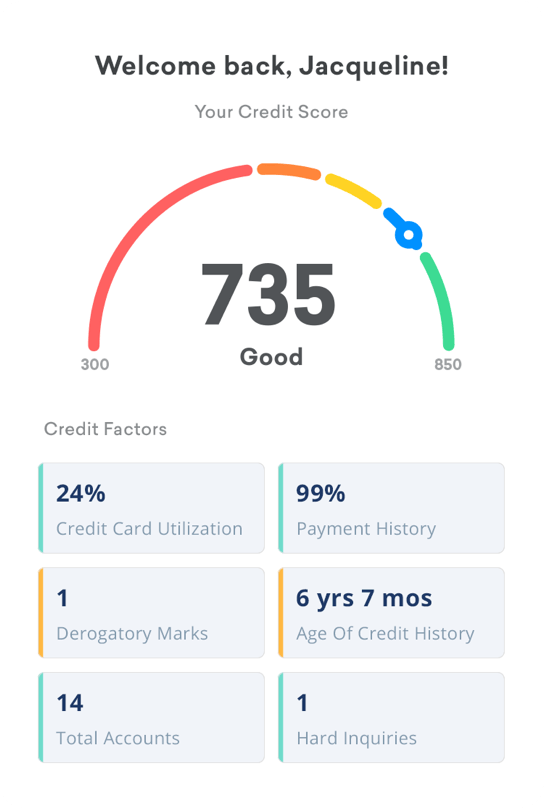
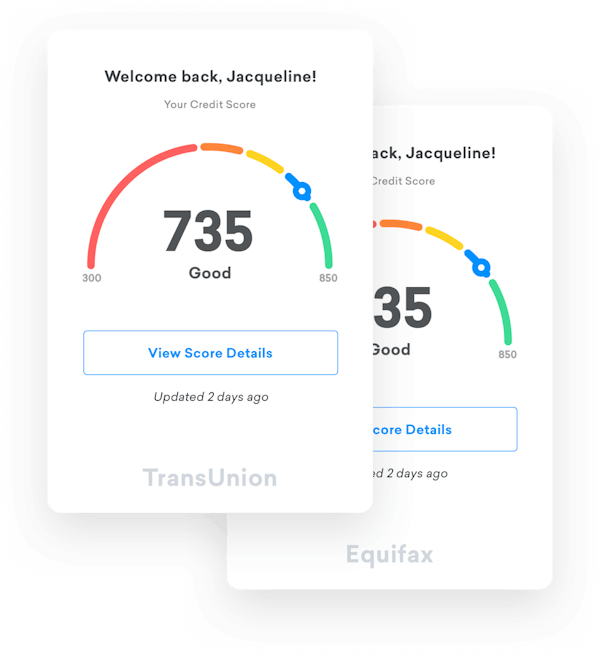
FREE CREDET SCORES

Your credit scores should be free. And now they are.

Check your scores anytime, anywhere, and never pay for it.

See my scores

Monday, December 4, 2017

STEP BY STEP PROCESS OF LETTER OF CREDIT

1. Buyer and seller agree to conduct business. The seller wants a letter of credit to guarantee payment.

2. Buyer applies to his bank for a letter of credit in favor of the seller.

3. Buyer's bank approves the credit risk of the buyer, issues and forwards the credit to its correspondent bank (advising or confirming). The correspondent bank is usually located in the same geographical location as the seller (beneficiary).

4. Advising bank will authenticate the credit and forward the original credit to the seller (beneficiary).

5. Seller (beneficiary) ships the goods, then verifies and develops the documentary requirements to support the letter of credit. Documentary requirements may vary greatly depending on the perceived risk involved in dealing with a particular company.

6.Seller presents the required documents to the advising or confirming bank to be processed for payment.

7.Advising or confirming bank examines the documents for compliance with the terms and conditions of the letter of credit.

8.If the documents are correct, the advising or confirming bank will claim the funds by:
- Debiting the account of the issuing bank.
- Waiting until the issuing bank remits, after receiving the documents.
- Reimburse on another bank as required in the credit.

9. Advising or confirming bank will forward the documents to the issuing bank.

10. Issuing bank will examine the documents for compliance. If they are in order, the issuing bank will debit the buyer's account.

11. Issuing bank then forwards the documents to the buyer. 
Share to: